Beer is enjoyed in almost every part of the world, from classic lagers and refreshing pilsners to Belgian ales, stouts, wheat beers and flavored beer products. Whether you are buying a six-pack for home, stocking a restaurant, managing a supermarket, or importing pallets for wholesale distribution, one question remains important: how long does beer stay fresh?
Beer does not remain exactly the same forever. Over time, its aroma, flavor, carbonation, color and overall drinking characteristics can change. The speed of these changes depends on several factors, including the beer style, packaging, alcohol content, brewing process, oxygen exposure, temperature and light.
For consumers, understanding beer freshness can help them store products correctly and enjoy them at their best. For retailers, wholesalers, importers and distributors, understanding shelf life is particularly important because beer can spend considerable time in warehouses and transportation networks before reaching its final customer. Champagne drinks
The good news is that properly packaged and properly stored beer can retain its intended quality for a substantial period. The key is to understand the difference between a manufacturer’s best-before date, actual product quality, and the conditions in which the beer has been stored.
This comprehensive guide explains how long beer stays fresh, what happens when beer gets old, how long opened beer lasts, whether beer needs refrigeration, how heat and sunlight affect beer, and what wholesale buyers should consider when purchasing beer in bulk.
What Does “Fresh Beer” Mean?
Freshness in beer generally refers to how closely the beer retains the flavor, aroma, carbonation and appearance intended by the brewer.
Freshness does not mean that the beer must have been brewed yesterday. Many packaged beers are specifically produced, packaged and distributed with a defined shelf-life period.
A fresh commercial lager, for example, may have:
- Crisp carbonation
- Clean malt character
- Appropriate hop aroma
- Balanced bitterness
- A pleasant finish
- The expected color and clarity
- No obvious stale or oxidized flavors
As beer ages, some of these characteristics can gradually change.
The speed of this process varies significantly from one beer to another. A highly hopped beer may lose desirable hop aroma relatively quickly, while certain strong or bottle-conditioned beers may develop more complex flavors with age.
Consequently, there is no single number that answers the question “How long does beer stay fresh?” for every beer in the world.
The product label and manufacturer’s specification should always be the primary reference.
How Long Does Beer Stay Fresh?
For many commercially produced beers, an unopened container can retain good quality for several months and, depending on the product, considerably longer.
The exact shelf life depends on:
- Beer style
- Brewing method
- Pasteurization or stabilization
- Alcohol content
- Packaging
- Oxygen exposure
- Light exposure
- Storage temperature
- Manufacturer’s specifications
- Transportation and warehouse conditions
A commercially packaged beer should therefore be evaluated according to its actual best-before date rather than a generic Internet rule.
For example, a mainstream lager intended for broad international distribution may have a significantly different recommended shelf-life period from a specialty Belgian ale.
This is especially relevant when purchasing wholesale beer. A business receiving a pallet should know the production or packaging date and the remaining shelf life before accepting the shipment.
How Long Does Unopened Beer Stay Fresh?
Unopened beer generally stays fresh much longer than opened beer because the original container provides a sealed environment.
As long as the packaging remains intact, the beer is protected from additional oxygen exposure and outside contamination.
However, sealed packaging does not completely stop the natural aging process.
Over time, chemical reactions can still occur inside the package. Temperature and light can accelerate some of these changes.
The best storage environment is therefore generally:
- Cool
- Dark
- Dry
- Stable
- Away from direct sunlight
- Away from excessive heat
- Consistent with the manufacturer’s storage instructions
Consumers should check the date printed on the can, bottle, carton or other packaging.
Wholesale buyers should go further by asking suppliers about the actual dates of the stock being offered.
How Long Does Bottled Beer Stay Fresh?
Bottled beer can remain in good condition for months when properly stored.
Glass provides a strong barrier against oxygen, but the color and type of glass can affect light protection.
Brown bottles generally provide better protection from light than clear glass. Green and clear bottles can allow more light to reach the beer unless other packaging or storage measures provide protection.
Light can cause undesirable chemical reactions involving hop-derived compounds, resulting in an aroma commonly described as “skunky.”
For this reason, bottled beer should ideally be kept away from direct sunlight and strong artificial light.
Retailers should avoid displaying sensitive bottled beer in locations where products receive strong sunlight for long periods.
Wholesalers should also keep cartons in suitable warehouse conditions.
How Long Does Canned Beer Stay Fresh?
Canned beer can also retain its quality for an extended period when stored properly.
One major advantage of cans is their excellent protection from light. The opaque metal container prevents sunlight from directly reaching the beer.
However, temperature remains important.
Long-term exposure to excessive heat can accelerate aging reactions and negatively influence flavor. Cans should therefore be kept in suitable storage conditions according to the manufacturer’s recommendations.
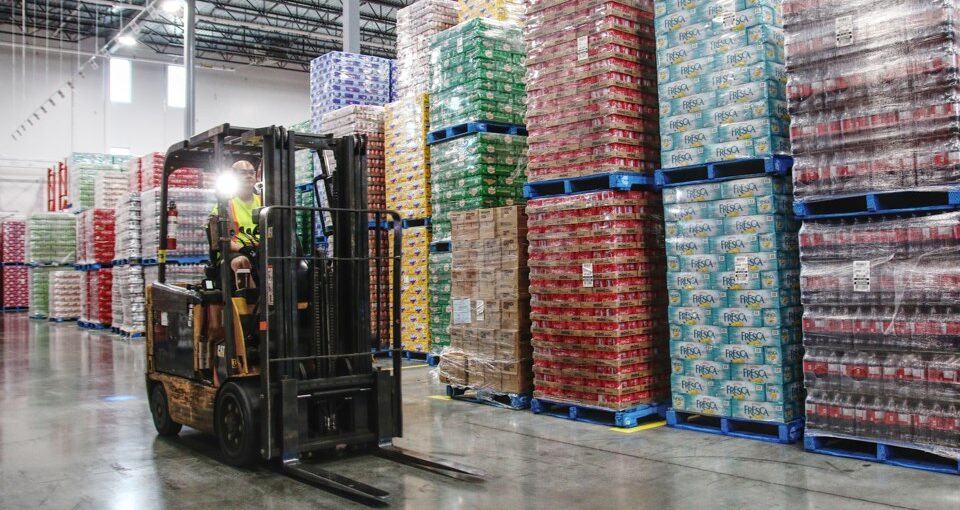
Cans are also popular for wholesale distribution because they are generally lightweight compared with glass bottles and can be efficiently packed and palletized.
When buying canned beer wholesale, buyers should verify:
- Can volume
- Number of cans per carton
- Cartons per pallet
- Pallet dimensions
- Gross pallet weight
- Best-before date
- Remaining shelf life
- Product origin
- Storage conditions
These details are particularly important when the beer will be transported internationally.
How Long Does Opened Beer Stay Fresh?
Opened beer has a much shorter freshness period than unopened beer.
Once the container is opened, carbon dioxide begins escaping and oxygen enters the package.
This can result in:
- Reduced carbonation
- Duller aroma
- Flatter flavor
- Faster oxidation
- Reduced freshness
For the best drinking experience, opened beer should normally be consumed promptly.
If some beer remains, it can be refrigerated and covered or resealed where possible. Refrigeration can slow some deterioration, but it cannot make opened beer remain fresh indefinitely.
An opened beer that has been left uncovered at room temperature for an extended period is unlikely to taste as intended.
How Long Does Draft Beer Stay Fresh?
Draft beer requires a different approach because the beer is stored in a keg and served through dispensing equipment.
The freshness of draft beer depends on:
- Beer style
- Keg condition
- Temperature
- Dispensing system
- Gas system
- Beer-line cleanliness
- Keg turnover
- Handling procedures
A properly maintained draft system is essential.
Dirty beer lines can negatively affect flavor even when the beer itself is still within its recommended date period.
Bars and restaurants should follow their keg and dispensing-equipment suppliers’ recommendations for storage, cleaning and service.
Does Beer Expire?
Consumers often use the word “expire” to describe beer that has passed its printed date.
However, the meaning of a best-before date is not necessarily identical to an immediate expiration point.
A best-before date generally indicates the period during which the manufacturer expects the product to maintain its intended quality when stored correctly.
After that date, beer may experience changes in taste, aroma, carbonation or appearance.
This does not mean every beer automatically becomes unsafe at midnight following its best-before date.
Nevertheless, consumers should inspect the packaging and product condition. Businesses should follow applicable food-safety requirements, labeling rules and manufacturer instructions.
For commercial distribution, it is preferable to maintain inventory with adequate remaining shelf life rather than intentionally relying on outdated stock.
What Happens When Beer Gets Older?
Beer aging is influenced by several chemical and physical processes.
Oxidation
Oxygen is one of the major contributors to beer aging.
Oxidation can gradually produce stale flavors and aromas.
Some older beers may develop papery, cardboard-like or muted characteristics.
Carbonation Changes
Carbonation can decline, especially once a beer has been opened.
This is one of the reasons an opened beer does not maintain the same drinking quality for very long.
Hop Aroma Decline
Hoppy beers can gradually lose some of their fresh hop aroma.
This can be particularly noticeable in beers where citrus, tropical, floral or resinous hop characteristics are central to the product.
Flavor Development
Some beers can develop new flavor characteristics as they age.
Whether these changes are desirable depends on the beer style and consumer preference.
Light Exposure
Light can cause undesirable aroma development in beer, especially when the beer is exposed for extended periods.
This is why appropriate packaging and storage are important.
Does Heat Make Beer Go Bad Faster?
Heat can accelerate the aging of beer.
A short period of warm conditions does not necessarily mean that a particular beer is immediately ruined. However, repeated or prolonged exposure to high temperatures can accelerate chemical reactions that reduce freshness.
This is particularly important for wholesalers and importers.
A beer shipment may travel through:
- Supplier warehouse
- Loading facility
- Truck
- Port
- Shipping container
- Destination port
- Customs
- Import warehouse
- Distribution center
- Retail store
If the product is repeatedly exposed to excessive heat during these stages, its quality can deteriorate faster than expected.
This is why commercial buyers should discuss transportation and storage conditions with their suppliers.
Does Sunlight Affect Beer Freshness?
Yes.
Light exposure is an important consideration for beer storage.
Certain compounds associated with hops can react with light and produce unpleasant aroma compounds.
This is commonly associated with the “skunked” beer effect.
Cans provide strong protection against this problem. Brown glass also offers significant protection compared with clear glass.
Regardless of packaging, keeping beer away from direct sunlight is a sensible storage practice.
For retail stores, avoid placing beer where the containers receive direct sunlight for long periods.
Does Refrigeration Keep Beer Fresh Longer?
Refrigeration can help preserve beer quality because lower temperatures generally slow many chemical reactions associated with aging.
However, refrigeration does not eliminate aging completely.
It is also important to distinguish between storing unopened beer and storing opened beer.
An unopened beer kept refrigerated can maintain quality effectively, but it still has a manufacturer’s best-before date.
An opened beer stored in the refrigerator will still lose carbonation and freshness.
Therefore, refrigeration should be viewed as a method for preserving quality rather than a way to make beer last forever.
Does Beer Need to Be Refrigerated?
Not all unopened beer needs to remain refrigerated.
Many commercially packaged beers can be stored in appropriate ambient conditions according to the manufacturer’s instructions.
The key is avoiding excessive heat and light.
A cool, dry and dark storage environment is generally preferable to a hot garage, sunny room or poorly ventilated shipping area.
Restaurants, retailers and distributors should follow the product manufacturer’s storage specifications.
How Long Does Lager Stay Fresh?
Lager is one of the most popular beer categories globally.
Mainstream lagers are typically designed around a clean, refreshing and balanced flavor profile.
Because freshness is often an important part of the drinking experience, proper storage is particularly useful.
Popular international lager brands may include Heineken, Corona, Carlsberg, Bavaria, Beck’s and other products.
Businesses purchasing lager by the carton or pallet should carefully monitor best-before dates.
A wholesale beer and lager drinks supplier can be a useful resource for businesses researching commercial beer supply.
For a retailer, ordering too much inventory can create unnecessary shelf-life pressure. Ordering an appropriate quantity based on sales volume can make stock rotation easier.
How Long Does Heineken Beer Stay Fresh?
Heineken is a widely distributed international beer brand.
The exact recommended shelf life can depend on the specific product, packaging and market.
Businesses should check the best-before information on the actual stock rather than assuming that every Heineken product has exactly the same date.
For wholesale purchasing, buyers should also confirm:
- Product format
- Units per case
- Cases per pallet
- Remaining shelf life
- Country of origin
- Delivery conditions
- Availability
For businesses researching commercial supply, visit the Heineken beer wholesale online page.
How Long Does Corona Beer Stay Fresh?
Corona is an internationally recognized beer brand distributed in numerous markets.
Like other packaged beer, Corona should be stored according to the manufacturer’s recommendations.
Keep unopened products away from excessive heat and direct sunlight and monitor the best-before date.
For importers and distributors, remaining shelf life is especially important because international orders may require significant transportation time.
Businesses researching commercial Corona beer supply can visit the Corona beer wholesale supplier and distributor page.
How Long Does Kronenbourg 1664 Stay Fresh?
Kronenbourg 1664 is a well-known beer associated with French brewing.
The freshness period depends on the particular product and packaging.
For retail and wholesale buyers, checking the actual best-before date is more reliable than relying on a generic beer shelf-life figure.
A commercial buyer should also confirm whether the supplier can provide the required quantity with sufficient remaining shelf life.
For wholesale product research, see Kronenbourg 1664 beer wholesale.
How Long Does Hoegaarden Stay Fresh?
Hoegaarden is associated with Belgian witbier and has a different flavor profile from many mainstream lagers.
Beer styles can have different freshness characteristics, so a generic shelf-life rule should not automatically be applied to every product.
Wholesale buyers should check the product-specific date and storage instructions.
Businesses interested in sourcing Hoegaarden can explore Hoegaarden beer wholesale online.
How Long Does Guinness Stay Fresh?
Guinness includes several products and packaging formats, so the exact shelf-life information depends on the specific product.
The best-before date printed on the product remains an important reference.
For wholesale buyers, it is useful to confirm the exact Guinness product, container size, carton configuration and available date before placing a large order.
Businesses researching commercial Guinness supply can visit the Guinness beer wholesale supplier and distributor page.
How Long Does Carlsberg Beer Stay Fresh?
Carlsberg is an internationally recognized beer brand.
As with other commercial beer products, proper storage helps maintain its intended flavor and carbonation.
Retailers should use appropriate stock rotation and monitor the dates of incoming products.
For distributors buying by carton or pallet, remaining shelf life should be checked before confirming large orders.
For commercial product research, visit Carlsberg beer wholesale supplier and distributor.
How Long Does Bud Light Stay Fresh?
Bud Light is a well-known light lager.
Its freshness depends on the product specification, packaging, storage conditions and date information.
Like other beers, Bud Light should be protected from excessive heat and unnecessary light exposure.
Businesses considering commercial purchases can explore Bud Light beer wholesale.
How Long Does Desperados Stay Fresh?
Desperados is a flavored beer product sold in various markets.
Flavored beer products should be evaluated according to their individual product specifications.
Retailers and importers should check the date coding and packaging condition before receiving large shipments.
For wholesale sourcing information, visit Desperados beer wholesale supplier and distributor.
How Long Does Beck’s Beer Stay Fresh?
Beck’s is a recognized beer brand with international distribution.
Proper storage is important for maintaining flavor and carbonation.
Businesses should keep stock away from excessive heat and direct sunlight while maintaining an organized stock-rotation system.
For commercial purchasing research, see Beck’s beer wholesale online.
How Long Does Bavaria Beer Stay Fresh?
Bavaria beer products should be stored according to the manufacturer’s recommendations.
The exact shelf life can vary according to the specific product and packaging.
Wholesale buyers should check available best-before dates before placing large orders, especially when importing pallets for resale.
For further commercial information, visit Bavaria beer wholesale online.
How Long Does Duvel Beer Stay Fresh?
Duvel is a Belgian specialty beer, so it should be considered according to its particular product characteristics rather than compared directly with a standard lager.
Specialty beers may have different storage and aging considerations.
Buyers should follow the manufacturer’s information printed on the bottle and packaging.
For wholesale product research, visit Duvel beer wholesale online.
Does Beer Taste Better When It Is Fresh?
For many beer styles, freshness is desirable because it helps preserve the characteristics intended by the brewer.
This can be particularly important for beers where aroma and carbonation are central to the drinking experience.
However, “fresh” does not necessarily mean “newly brewed.”
A beer can be several months old and still taste excellent if it has been packaged correctly and stored under suitable conditions.
The ideal consumption period depends on the product.
Can Some Beer Improve With Age?
Yes, some beers can develop additional characteristics as they age.
Certain strong, bottle-conditioned, barrel-aged or specialty beers may be designed with aging in mind.
During maturation, flavors can evolve.
However, this does not mean that all beer improves with age.
A mainstream lager is generally not purchased with the assumption that years of aging will improve it.
Consumers and collectors should therefore consider the specific beer style and producer’s guidance.
What Is the Difference Between Best-Before and Freshness?
The best-before date is a useful reference for expected product quality.
Freshness is broader and can be affected by how the product has been stored.
For example, two bottles may have identical best-before dates but have experienced different storage histories.
One might have remained in a cool, dark warehouse, while another might have been exposed to high temperatures and sunlight.
The printed date alone cannot describe every storage condition the product has experienced.
This is why professional beer buyers should consider supplier handling and logistics as well as date coding.
Why Remaining Shelf Life Matters for Wholesale Beer
Wholesale buyers often purchase beer in much larger quantities than individual consumers.
A consumer may buy one carton and consume it within days or weeks.
A retailer might receive dozens or hundreds of cartons.
A distributor may receive multiple pallets.
An importer may purchase an entire commercial shipment.
The larger the inventory, the more important shelf-life management becomes.
Before ordering, buyers should ask suppliers:
What is the best-before date of the available stock?
They should also ask:
How much remaining shelf life will the goods have when delivered?
This information helps buyers determine whether the quantity is appropriate for their expected sales cycle.
How Many Cases Should a Retailer Order?
There is no universal quantity.
The correct order size depends on:
- Average weekly sales
- Customer demand
- Storage capacity
- Product variety
- Available capital
- Delivery frequency
- Remaining shelf life
- Seasonal demand
- Promotional activity
A fast-moving beer may justify larger inventory than a slow-moving specialty product.
Retailers should avoid purchasing excessive quantities simply because the per-unit wholesale price is lower at higher volumes.
The commercial calculation should include inventory turnover and shelf-life risk.
How Should Wholesalers Manage Beer Inventory?
A professional inventory system should record the relevant product information.
Useful fields include:
| Inventory Information | Why It Matters |
|---|---|
| Brand | Product identification |
| Beer style | Category management |
| Pack format | Retail and logistics planning |
| Bottle/can size | Stock control |
| Units per carton | Order calculations |
| Cartons per pallet | Warehouse planning |
| Production date | Age tracking |
| Best-before date | Shelf-life control |
| Quantity received | Inventory management |
| Quantity sold | Demand analysis |
| Warehouse location | Picking efficiency |
Using date-based stock rotation can help prevent older inventory from being forgotten behind newer shipments.
First-In, First-Out Beer Inventory
First-in, first-out, commonly called FIFO, is a straightforward approach to inventory management.
Under FIFO, older inventory is generally moved for sale before newer inventory where appropriate.
For beer, date-based rotation can be particularly useful.
When receiving a shipment, warehouse staff can record the relevant product dates and arrange cases so that stock requiring earlier distribution is accessible.
This can reduce the risk of leaving older products in storage while newer stock is sold first.
How Should Beer Be Stored in a Warehouse?
A commercial beer warehouse should provide suitable conditions for the product.
Important considerations include:
Temperature Control
Avoid excessive heat.
Light Protection
Keep cartons away from direct sunlight and strong light where possible.
Stable Storage
Avoid unnecessary temperature fluctuations.
Clean Environment
Maintain a clean and organized warehouse.
Pallet Safety
Store pallets securely to reduce damage to cartons and containers.
Date Tracking
Record best-before information.
Stock Rotation
Move older inventory according to the company’s inventory system.
These practices help protect product quality from receiving through final distribution.
Beer Shelf Life During International Shipping
International beer transportation creates additional challenges.
A shipment may spend time in warehouses, trucks, ports and shipping containers.
For importers, it is therefore important to calculate how much of the product’s shelf life may be consumed before it reaches the destination.
For example, if a buyer receives a product with a limited remaining shelf life, the buyer needs to consider:
- Transit time
- Customs clearance
- Warehouse storage
- Distribution time
- Retail shelf time
- Expected customer turnover
This is why asking for available batch dates before confirming an international wholesale order can be valuable.
Questions to Ask a Wholesale Beer Supplier
Before placing a large beer order, buyers can ask the supplier:
- What is the best-before date?
- What is the production or packaging date?
- How much shelf life remains?
- How is the beer packaged?
- How many units are in each carton?
- How many cartons are on each pallet?
- What is the pallet weight?
- Where was the beer produced?
- What storage conditions have been used?
- What is the minimum order quantity?
- How quickly can the order be dispatched?
- What shipping options are available?
- What commercial documents are provided?
- Are product labels suitable for the destination market?
- Is the stock from the same production batch or multiple batches?
These questions can help importers and distributors evaluate a shipment before committing to a large order.
Beer Storage Tips for Consumers
Consumers can maintain beer quality by following several simple rules.
Keep Beer Cool
Avoid unnecessary heat.
Keep Beer Dark
Store bottles and cans away from direct sunlight.
Avoid Extreme Temperatures
Do not repeatedly freeze and thaw beer.
Check the Date
Use the manufacturer’s date information as your primary reference.
Refrigerate Before Serving
Chilling beer before consumption can provide the intended serving experience for many styles.
Drink Opened Beer Promptly
Once opened, beer loses carbonation and freshness.
Can You Freeze Beer?
Freezing beer is generally not recommended.
Beer contains a large proportion of water, which expands when frozen.
This can cause glass bottles to crack or cans to rupture.
Freezing can also alter the beer’s carbonation and overall quality.
If a beer has accidentally frozen, inspect the container carefully before handling or opening it.
Can Beer Be Stored Upright?
Keeping packaged beer upright is a practical storage method for many products.
It can make handling easier and helps avoid unnecessary contact between the beer and closures.
However, consumers and businesses should follow the specific storage instructions provided by the manufacturer.
How Do You Know if Beer Has Lost Freshness?
Signs of aging can include:
- Flat carbonation
- Muted aroma
- Stale flavor
- Papery or cardboard-like notes
- Diminished hop character
- Unexpected sweetness
- Unusual odor
- Flavor significantly different from the normal product
Not every unusual flavor means a beer is spoiled. Different beer styles naturally have very different aromas and flavors.
For this reason, product knowledge is important when evaluating specialty beers.
Why Beer Packaging Matters
Packaging plays an important role in beer freshness.
Different formats have different characteristics.
Cans
Cans provide strong light protection and are convenient for transport.
Brown Glass Bottles
Brown glass provides useful protection from light.
Clear Glass
Clear glass offers limited protection from light and therefore benefits from appropriate packaging and storage.
Kegs
Kegs require suitable temperature control and dispensing procedures.
For wholesale buyers, packaging also affects logistics.
A pallet of cans may have different transportation and handling requirements from a pallet of glass bottles.
Beer Freshness and Retail Pricing
Shelf life can influence commercial pricing decisions.
Retailers may need to manage promotional activity when inventory approaches its best-before period.
A business should not automatically discount every product approaching its best-before date, but inventory planning can help avoid situations where excessive stock needs urgent movement.
This is another reason to match order volumes with expected demand.
Building a Wholesale Beer Portfolio
A distributor may choose to carry several beer categories rather than relying on a single product.
A portfolio could include:
- Mainstream lagers
- Premium lagers
- Belgian beers
- Wheat beers
- Stouts
- Light beers
- Flavored beers
- Specialty beers
The appropriate mix depends on the destination market and customer base.
Businesses can use dedicated product pages to research individual brands while also reviewing broader wholesale beer categories.
The wholesale beer and lager drinks online page can serve as a central resource for businesses researching commercial beer supply.
Frequently Asked Questions About How Long Does Beer Stay Fresh
How long does beer stay fresh?
Unopened beer can remain in good quality for months or longer depending on the beer style, packaging, production method and storage conditions. Always check the manufacturer’s best-before date.
How long does unopened beer last?
Unopened beer generally lasts considerably longer than opened beer. Its intended shelf life depends on the product and manufacturer.
How long does opened beer stay fresh?
Opened beer loses carbonation and freshness quickly. For the best quality, it should generally be consumed soon after opening.
Does beer go bad?
Beer can lose its intended quality as it ages. It may develop stale flavors, lose carbonation or change in aroma. Packaging condition and the manufacturer’s guidance should also be considered.
Can you drink beer after the best-before date?
A best-before date generally relates to expected quality rather than automatically meaning the product becomes unsafe immediately afterward. Consumers should inspect the packaging and follow applicable safety guidance.
Does beer expire if unopened?
Unopened beer still has a finite recommended shelf life. Check the best-before date and storage instructions provided by the manufacturer.
Does beer last longer in the refrigerator?
Refrigeration can help preserve beer quality by slowing many aging reactions. However, it does not stop aging completely or make beer last indefinitely.
Does heat ruin beer?
Prolonged exposure to excessive heat can accelerate beer aging and negatively affect flavor.
Does sunlight make beer go bad?
Sunlight can contribute to undesirable beer aromas because light can interact with hop-derived compounds. Beer should therefore be protected from direct sunlight.
Do cans keep beer fresher?
Cans provide excellent protection from light and can help preserve beer quality. However, temperature and storage conditions remain important.
Do bottles keep beer fresh?
Yes. Properly packaged bottled beer can remain fresh for months or longer depending on the product. Light exposure should be minimized.
How long does lager stay fresh?
Commercial lager can maintain good quality for months when unopened and appropriately stored. The exact period depends on the brand and product.
How long does Heineken stay fresh?
The exact period depends on the particular Heineken product and packaging. Check the best-before date and storage instructions on the actual product.
How long does Corona stay fresh?
Unopened Corona should be stored according to the manufacturer’s recommendations and consumed according to the product’s best-before information.
How long does Guinness stay fresh?
Guinness products have product-specific shelf-life information. Check the actual packaging for the applicable best-before date.
How long does Carlsberg stay fresh?
Carlsberg should be stored according to the manufacturer’s recommendations, with the printed best-before date used as the product-specific reference.
How long does Bud Light stay fresh?
Bud Light’s recommended shelf life depends on the particular product and packaging. Check the printed date and storage instructions.
How long does Kronenbourg 1664 stay fresh?
Kronenbourg 1664 should be stored according to the manufacturer’s recommendations. Check the actual product date for the specific shipment.
How long does Hoegaarden stay fresh?
Hoegaarden has product-specific storage and freshness characteristics. Buyers should check the product’s best-before information.
How long does Desperados stay fresh?
Desperados should be stored according to its manufacturer’s recommendations and checked against the best-before date.
How long does Beck’s beer stay fresh?
Unopened Beck’s can retain its intended quality for an extended period under appropriate conditions. Check the actual product date.
How long does Bavaria beer stay fresh?
Bavaria beer’s shelf life depends on the particular product and packaging. Follow the manufacturer’s date and storage information.
How long does Duvel stay fresh?
Duvel has product-specific characteristics and should be stored according to the manufacturer’s recommendations. Check the best-before date on the actual packaging.
Can opened beer be stored overnight?
Opened beer can be refrigerated overnight, but it may lose carbonation and freshness. For the best quality, consume beer shortly after opening.
Does beer get better with age?
Some specialty beers are suitable for aging and can develop additional characteristics. Many mainstream beers, however, are designed to be consumed relatively fresh.
What is the best temperature for storing beer?
The appropriate storage temperature depends on the product. In general, beer should be protected from excessive heat and stored according to the manufacturer’s instructions.
How should a beer distributor store inventory?
A distributor should maintain appropriate storage conditions, protect beer from excessive heat and light, monitor dates, inspect packaging and rotate inventory.
Why is shelf life important when buying wholesale beer?
Wholesale shipments may remain in transportation, warehouses and retail channels for extended periods. Adequate remaining shelf life gives distributors and retailers more time to sell the stock.
What should I ask a beer wholesaler before ordering?
Ask about product availability, best-before dates, remaining shelf life, packaging, units per carton, cartons per pallet, pallet weight, origin, MOQ, delivery arrangements and documentation.
Is old beer always unsafe?
Age alone does not establish that a beer is unsafe. However, consumers should not consume products with damaged packaging or abnormal characteristics, and businesses should follow applicable food-safety requirements.
How can retailers reduce beer waste?
Retailers can reduce waste by forecasting demand, avoiding excessive purchasing, monitoring best-before dates, rotating stock and storing beer correctly.
Does beer freshness matter for international distribution?
Yes. International transportation can consume part of a product’s shelf life. Importers should confirm available dates before placing large orders.
Conclusion: How Long Does Beer Stay Fresh?
The answer to “How long does beer stay fresh?” depends on the individual beer.
There is no universal shelf-life period that applies to every lager, stout, wheat beer, Belgian ale, flavored beer or specialty product. Beer style, packaging, brewing method, temperature, light exposure, oxygen and storage conditions all influence how long a beer retains its intended characteristics.
For unopened beer, the manufacturer’s best-before date is an important reference. Proper storage in a cool, stable and dark environment can help preserve quality.
Opened beer is different. Once a bottle or can is opened, carbonation begins to escape and oxygen exposure increases. For the best flavor and drinking experience, opened beer should generally be consumed promptly.
For retailers, restaurants, importers and distributors, freshness is also an inventory-management issue. Buyers should know the available best-before dates, remaining shelf life, packaging format, carton configuration and pallet information before committing to large wholesale orders.
International buyers should pay particular attention to the time required for transportation, customs clearance, warehousing and distribution. A product with sufficient remaining shelf life at the supplier’s warehouse should also have enough time remaining when it reaches the final retail market.
Whether you are researching mainstream lager, Belgian beer, stout, wheat beer, light beer or flavored beer, understanding shelf life can help you make more informed purchasing and storage decisions.
For commercial buyers, the available wholesale beer resources can also make it easier to move from general research about beer freshness to specific product and sourcing information, including Corona, Heineken, Kronenbourg 1664, Hoegaarden, Guinness, Carlsberg, Bud Light, Desperados, Beck’s, Bavaria and Duvel.
Proper storage, sensible stock rotation and careful attention to best-before dates are among the most practical ways to help keep beer in good condition from supplier to warehouse, retailer and ultimately the customer.