
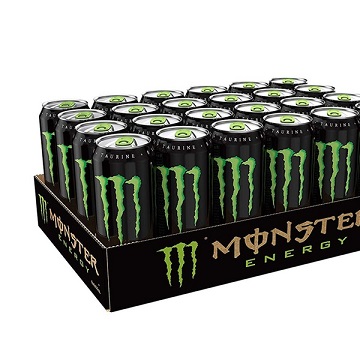
Introduction On Wholesale Energy Drinks
The energy drink market is booming, with global sales projected to reach $86.14 billion by 2027 (Statista). As consumer demand for high-energy beverages continues to rise, importers and distributors have a golden opportunity to tap into this lucrative industry. Find the best Wholesale Energy Drinks
But with so many brands and products available, how do you know which energy drinks sell the fastest in global markets? And more importantly, how can you import wholesale energy drinks efficiently while maximizing profits?
In this comprehensive guide, we’ll explore: ✅ Top-selling energy drink brands in global markets ✅ Key trends shaping the energy drink industry ✅ How to import wholesale energy drinks (legal, logistical, and financial considerations) ✅ Best practices for distributors and retailers ✅ Where to source high-demand energy drinks (including direct links to trusted suppliers)
By the end, you’ll have a clear roadmap to source, import, and sell energy drinks successfully in Europe, the USA, Asia, and beyond.
Chapter 1: The Global Energy Drink Market – Trends & Growth Drivers
Before diving into wholesale energy drinks, it’s essential to understand the market dynamics shaping demand.
1.1 Market Size & Growth Projections
- The global energy drink market was valued at $53.4 billion in 2022 and is growing at a CAGR of 7.2% (Grand View Research).
- North America dominates (~40% market share), followed by Europe and Asia-Pacific.
- Emerging markets (India, Brazil, Southeast Asia) are seeing rapid growth due to increasing urbanization and youth consumption.
1.2 Key Trends Shaping the Industry
✔ Health & Wellness Shift – Consumers are moving toward low-sugar, natural, and functional energy drinks (e.g., electrolyte-enhanced, organic ingredients). ✔ Premiumization – High-end brands (e.g., Bang Energy, Reign) are gaining traction among fitness enthusiasts and gamers. ✔ Sugar-Free & Zero-Calorie Options – Brands like Monster Zero Ultra, Red Bull Sugarfree are outperforming traditional sugary variants. ✔ Regional Preferences –
- USA: Monster, Red Bull, Bang Energy
- Europe: Power Horse, XL Energy, Shark Energy
- Asia: Lipovitan, Lipovitan D, Burn (Coca-Cola)
- Middle East: Power Horse, Sting
✔ E-commerce & Direct-to-Consumer (DTC) Sales – Online platforms (Amazon, eBay, local marketplaces) are becoming major distribution channels.
1.3 Who Are the Biggest Consumers?
- Gamers & Esports Athletes (high caffeine demand)
- Fitness & Gym-Goers (pre-workout energy boosts)
- Shift Workers & Students (long-hour productivity)
- Party & Nightlife Crowds (mixed with alcohol)
Chapter 2: Top-Selling Energy Drink Brands in Global Markets
Not all energy drinks are created equal. Some brands dominate in specific regions, while others have global appeal. Below is a breakdown of the best-selling energy drinks by market.
2.1 North America (USA & Canada) – The Monster & Red Bull Dominance
| Brand | Key Products | Market Share | Why It Sells |
|---|---|---|---|
| Monster Energy | Monster, Monster Zero Ultra, Java Monster | ~35% | Aggressive marketing, extreme flavors, sponsorships (NASCAR, UFC) |
| Red Bull | Red Bull, Red Bull Sugarfree, Red Bull Zero | ~30% | Premium branding, global recognition, event sponsorships |
| Bang Energy | Bang, Bang Energy Zero Calorie | ~10% | High caffeine (300mg), fitness-focused, influencer marketing |
| Rockstar | Rockstar, Rockstar Recovery | ~8% | Variety of flavors, affordable pricing |
| 5-hour Energy | 5-hour Energy Shots | ~5% | Quick energy boost, portable format |
Best for Importers:
- Monster & Red Bull have strict distribution agreements, but Bang Energy and Rockstar are easier to source wholesale.
- Private-label options (e.g., Monster-lookalike brands) are growing in popularity.
🔗 Where to Buy Wholesale in the USA?
- Drinks Department BV – Monster Energy Wholesale Supplier
- Drinks Department BV – Bang Energy Wholesale Supplier
2.2 Europe – Power Horse, XL Energy & Shark Energy Lead the Pack
Europe has a strong preference for European-made energy drinks, with Power Horse being the #1 brand in many countries.
| Brand | Key Products | Market Share | Why It Sells |
|---|---|---|---|
| Power Horse | Power Horse, Power Horse Zero | ~25% | Strong in Germany, UK, Netherlands, high caffeine (250mg) |
| XL Energy | XL Energy, XL Energy Sugarfree | ~15% | Popular in Scandinavia & Eastern Europe, fruity flavors |
| Shark Energy | Shark Energy, Shark Energy Zero | ~10% | Aggressive marketing, sponsorships in motorsports |
| Sting | Sting, Sting Zero | ~8% | UK & Ireland dominance, strong branding |
| Red Bull | Red Bull, Red Bull Sugarfree | ~12% | Still a premium player in Europe |
Best for Importers:
- Power Horse & XL Energy are easy to import and have high demand in wholesale markets.
- Private-label alternatives (e.g., Power Horse clones) are cost-effective for retailers.
🔗 Where to Buy Wholesale in Europe?
- Drinks Department BV – Power Horse Wholesale Supplier
- Drinks Department BV – XL Energy Wholesale Supplier
- Drinks Department BV – Shark Energy Wholesale Supplier
2.3 Asia – Local Brands Dominate, but Red Bull & Lipovitan Thrive
Asia has a mix of global and local energy drink brands, with high caffeine content being a key selling point.
| Brand | Key Products | Market Share | Why It Sells |
|---|---|---|---|
| Red Bull | Red Bull, Red Bull Sugarfree | ~20% | Premium positioning, strong marketing |
| Lipovitan | Lipovitan D, Lipovitan Gold | ~15% | Japan & South Korea dominance, high taurine content |
| Burn | Burn, Burn Zero | ~10% | Coca-Cola’s energy drink, widely available |
| Tzinga | Tzinga, Tzinga Zero | ~8% | India’s #1 energy drink, affordable pricing |
| 100Plus | 100Plus Extra, 100Plus Isotonic | ~5% | Southeast Asia focus, electrolyte-enhanced |
Best for Importers:
- Lipovitan & Tzinga are hard to import due to local regulations, but Red Bull & Burn are easier to source.
- Private-label options (e.g., Lipovitan-lookalikes) are growing in demand.
🔗 Where to Buy Wholesale in Asia?
- Drinks Department BV – Red Bull Wholesale Supplier
- Drinks Department BV – Burn Energy Wholesale Supplier
2.4 Middle East & Africa – Power Horse & Sting Lead the Charge
The Middle East & Africa market is highly price-sensitive, with Power Horse & Sting being the top choices.
| Brand | Key Products | Market Share | Why It Sells |
|---|---|---|---|
| Power Horse | Power Horse, Power Horse Zero | ~30% | Strong in UAE, Saudi Arabia, Egypt |
| Sting | Sting, Sting Zero | ~20% | Popular in South Africa & Nigeria |
| Red Bull | Red Bull, Red Bull Sugarfree | ~15% | Premium segment |
| XL Energy | XL Energy, XL Energy Sugarfree | ~10% | Growing in East Africa |
Best for Importers:
- Power Horse & Sting are easy to import and have high demand in wholesale markets.
- Bulk discounts are common due to high competition.
🔗 Where to Buy Wholesale in Middle East & Africa?
- Drinks Department BV – Power Horse Wholesale Supplier
- Drinks Department BV – Sting Energy Wholesale Supplier
Chapter 3: How to Import Wholesale Energy Drinks – A Step-by-Step Guide
Now that you know which energy drinks sell best, the next step is how to import them legally and profitably.
3.1 Step 1: Choose Your Sourcing Strategy
You have three main options for importing energy drinks:
| Option | Pros | Cons | Best For |
|---|---|---|---|
| Direct from Brand (Official Distributor) | High-quality, authorized products | Strict contracts, high MOQs | Established retailers |
| Wholesale Suppliers (B2B Marketplaces) | Lower MOQs, flexible terms | Risk of counterfeit products | Small & medium importers |
| Private-Label Manufacturing | Custom branding, lower costs | Requires investment in branding | Retailers wanting unique products |
🔹 Best for Most Importers: Wholesale suppliers (e.g., Drinks Department BV) offer flexible terms, competitive pricing, and global distribution.
3.2 Step 2: Legal & Regulatory Considerations
A. FDA & EU Regulations (Depends on Target Market)
| Region | Key Regulations | What You Need |
|---|---|---|
| USA (FDA) | 21 CFR 101.36 (labeling), caffeine limits | FDA registration, proper labeling |
| EU (EFSA) | Maximum caffeine (150mg/L), sugar limits | CE marking, compliant packaging |
| Asia (varies by country) | Japan (FOSHU approval), China (CFDA registration) | Local distributor required in some cases |
🔹 Key Takeaway:
- Always check local laws before importing.
- Work with a customs broker to avoid delays.
B. Import Duties & Taxes
| Country | Import Duty | VAT/Tax | Total Cost Impact |
|---|---|---|---|
| USA | 0-10% (depends on ingredients) | 0-10% (state-dependent) | 5-20% extra |
| EU | 0-12% (varies by product) | 20% VAT | 20-32% extra |
| UK | 0-12% | 20% VAT | 20-32% extra |
| UAE | 5% | 5% VAT | 10% extra |
| India | 28-30% (high tariffs) | 18% GST | 46-48% extra |
🔹 Pro Tip:
- Duty drawback programs (USA) can reduce costs if you re-export.
- Free Trade Agreements (FTAs) (e.g., EU-South Korea) can lower tariffs.
3.3 Step 3: Finding Reliable Wholesale Suppliers
A. Where to Source Wholesale Energy Drinks?
| Source | Pros | Cons | Best For |
|---|---|---|---|
| Official Brand Distributors | Authentic products, strong support | High MOQs, strict contracts | Large retailers |
| B2B Marketplaces (Alibaba, Global Sources) | Wide selection, competitive prices | Risk of scams, quality issues | Small importers |
| Specialized Wholesale Suppliers (e.g., Drinks Department BV) | Verified suppliers, global distribution | Limited to certain brands | Medium importers |
| Trade Shows (Canton Fair, Anuga) | Face-to-face deals, networking | Time-consuming | Established businesses |
🔹 Best Option for Most Importers: ✅ Specialized wholesale suppliers (e.g., Drinks Department BV) offer: ✔ Verified suppliers ✔ Competitive pricing ✔ Global distribution ✔ Flexible MOQs
B. Red Flags to Avoid When Choosing a Supplier
❌ No business license or certifications ❌ Unrealistically low prices (likely counterfeit) ❌ No samples available ❌ Poor communication or delayed responses ❌ No MOQ (Minimum Order Quantity) transparency
🔹 Pro Tip:
- Always request samples before bulk orders.
- Check reviews & testimonials (Google, Trustpilot, Alibaba).
3.4 Step 4: Shipping & Logistics – How to Get Your Energy Drinks Delivered
A. Shipping Methods (Cost vs. Speed)
| Method | Cost | Time | Best For |
|---|---|---|---|
| Air Freight | High ($5-$15/kg) | 3-7 days | Urgent orders, small quantities |
| Sea Freight (FCL/LCL) | Low ($0.50-$2/kg) | 20-45 days | Bulk orders, cost-effective |
| Courier (DHL, FedEx) | Very High ($20-$50/kg) | 2-5 days | Small samples |
| Road Freight (EU/US) | Medium ($1-$3/kg) | 5-15 days | Regional distribution |
🔹 Best for Bulk Imports: ✅ Sea Freight (FCL – Full Container Load) is the most cost-effective for large orders. ✅ LCL (Less than Container Load) is good for smaller importers.
B. Incoterms (Who Pays for What?)
| Incoterm | Seller’s Responsibility | Buyer’s Responsibility | Best For |
|---|---|---|---|
| EXW (Ex Works) | Only makes product available | Pays for shipping, insurance, duties | Experienced importers |
| FOB (Free On Board) | Pays for transport to port | Pays for shipping, insurance, duties | Most common |
| CIF (Cost, Insurance, Freight) | Pays for shipping & insurance | Pays for duties & local transport | Convenient but less control |
| DAP (Delivered At Place) | Pays for shipping & duties | Pays for local transport | Easiest for beginners |
🔹 Best for Most Importers: ✅ FOB (Free On Board) – Seller handles export, buyer handles import.
3.5 Step 5: Payment Terms & Financing Options
A. Common Payment Methods
| Method | Pros | Cons | Best For |
|---|---|---|---|
| Letter of Credit (LC) | Secure, bank guarantees payment | High fees, complex process | Large orders |
| Telegraphic Transfer (TT) | Fast, low fees | No guarantee of delivery | Trusted suppliers |
| PayPal / Escrow | Secure for small orders | High fees for large amounts | Samples & small orders |
| Bank Transfer (Wire) | Low fees | No protection if supplier scams | Established relationships |
🔹 Best for Most Importers: ✅ TT (Telegraphic Transfer) for trusted suppliers ✅ LC (Letter of Credit) for large orders
B. Financing Options for Importers
- Trade Credit (supplier extends payment terms)
- Bank Loans (for established businesses)
- Invoice Factoring (sell unpaid invoices for cash)
- Crowdfunding (for startups)
🔹 Pro Tip:
- Negotiate payment terms (e.g., 30% deposit, 70% on delivery).
Chapter 4: Selling Wholesale Energy Drinks – Best Practices for Distributors & Retailers
Now that you’ve imported your energy drinks, how do you sell them profitably?


