Types of Confectionery: Complete Guide to Candy, Chocolate, Sweets and Wholesale Suppliers
Confectionery is one of the most popular categories in the global food and retail industry. From chocolate bars and chewy gummies to hard candies, marshmallows, mints and traditional sweets, confectionery products appeal to consumers of different ages and preferences. These products are sold through supermarkets, convenience stores, candy shops, online retailers, restaurants, hotels, wholesalers and international distributors. But what are the different types of confectionery? Which products are most popular, and where can retailers find wholesale confectionery suppliers offering attractive prices and reliable distribution?
Understanding the different categories of confectionery is important for businesses that want to expand their product ranges, attract customers and improve their retail offerings. Whether you operate a supermarket, convenience store, sweet shop, online candy business or wholesale distribution company, choosing the right products can help you reach different customer groups.
Drinks Department B.V. offers a selection of confectionery products, including chocolate bars, gummies, marshmallows, mints and other popular sweet treats. Businesses can explore its product range when searching for wholesale candy distributors and bulk confectionery purchasing opportunities.
This comprehensive guide explains the types of confectionery, their ingredients, characteristics, popular examples, wholesale purchasing considerations and how to find suitable bulk candy suppliers.
Table of Contents & Types of Confectionery
- What Is Confectionery?
- Types of Confectionery
- Chocolate Confectionery
- Sugar Confectionery
- Gummies and Chewy Candy
- Marshmallows and Soft Confectionery
- Mints and Breath-Freshening Confectionery
- Popular Confectionery Brands and Products
- Why Confectionery Is Popular Worldwide
- Wholesale Confectionery: Understanding the Market
- Wholesale Candy Distributors and Suppliers
- Best Place to Buy Bulk Candy
- Cheap Wholesale Candy Suppliers: What to Consider
- Bulk Confectionery for Retailers and Distributors
- How to Choose the Right Confectionery Supplier
- Why Choose Drinks Department B.V.?
- Frequently Asked Questions About Confectionery
- Conclusion
1. What Is Confectionery & Types of Confectionery
Confectionery refers to a broad category of sweet food products, including chocolates, candies, gums, mints, marshmallows, caramels, toffees and other sugar-based treats.
These products are generally made using ingredients such as sugar, cocoa, milk, glucose syrup, flavourings, fruit concentrates, gelatin, pectin and other food ingredients.
Confectionery is traditionally divided into two major categories:
Sugar confectionery: Includes sweets, gummies, boiled candies, caramels, toffees, marshmallows and mints.
Chocolate confectionery: Includes chocolate bars, filled chocolates, pralines, chocolate-covered nuts, truffles and other cocoa-based treats.
Some products combine both categories. For example, a chocolate bar containing caramel, nougat and biscuit combines several confectionery textures and ingredients.
Confectionery is sold in different packaging formats, including individual wrappers, multipacks, gift boxes, sharing bags and bulk cartons.
For retailers and wholesalers, understanding these categories helps with product selection, inventory planning and identifying suitable customers.
2. Types Of Confectionery
There are many types of confectionery available in the international market. Each category offers different textures, flavours, ingredients and consumption experiences.
The main types include:
- Chocolate confectionery.
- Hard-boiled sweets.
- Gummies and jelly candies.
- Chewy candies.
- Caramels and toffees.
- Marshmallows.
- Mints.
- Liquorice confectionery.
- Fudge and fondant sweets.
- Chocolate-coated confectionery.
- Sugar-free sweets.
- Specialty and gourmet confectionery.
Let’s examine these categories in detail.
3. Chocolate Confectionery
Chocolate bars, assorted pralines and chocolate-covered sweets
Chocolate confectionery is one of the largest and most recognisable segments of the confectionery market.
It is made using cocoa ingredients, sugar and, depending on the product, milk, cocoa butter, nuts, caramel, biscuits and flavourings.
Chocolate products are available in different varieties.
Milk Chocolate
Milk chocolate contains cocoa ingredients, sugar and milk components.
It is popular because of its creamy texture and sweet flavour.
Milk chocolate is commonly used in chocolate bars, filled chocolates, coated biscuits and confectionery multipacks.
Dark Chocolate
Dark chocolate generally contains a higher proportion of cocoa ingredients and less milk than milk chocolate.
It is available in different cocoa percentages, offering a range of flavour intensities.
White Chocolate
White chocolate is made using cocoa butter, milk ingredients and sugar. It does not contain the non-fat cocoa solids found in milk and dark chocolate.
It is frequently used in confectionery coatings, filled chocolates and dessert products.
Filled Chocolate
Filled chocolates contain ingredients such as caramel, hazelnut cream, coconut, nougat, fruit fillings or praline.
They are popular in gift boxes and premium confectionery assortments.
Popular Chocolate Confectionery Products & Types of Confectionery
Businesses looking for wholesale chocolate products can explore these products listed by Drinks Department B.V.:
- Aero Chocolate Bars
- Bounty Chocolate Bars
- Cadbury Candy
- Ferrero Rocher Candy
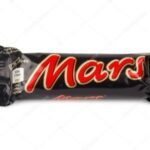
- Mars Chocolate Candy
- Twix Chocolate Bars
These products offer retailers different options for stocking chocolate bars, sharing treats and premium chocolate confectionery.
4. Sugar Confectionery
Sugar confectionery includes sweet products that are primarily made from sugar, glucose syrup and other ingredients rather than chocolate.
It covers a broad range of products, from traditional boiled sweets to modern fruit-flavoured candies.
Hard-Boiled Sweets
Hard-boiled sweets are manufactured by heating sugar and glucose syrup to high temperatures before cooling the mixture into solid candy.
They are available in different shapes, colours and flavours.
Popular varieties include:
- Fruit-flavoured sweets.
- Mint candies.
- Lemon drops.
- Butterscotch sweets.
- Traditional boiled candies.
Caramels
Caramels are made by heating sugar with ingredients such as milk, butter or cream.
They have a rich flavour and can be soft, chewy or firm depending on the manufacturing process.
Caramel is also used as a filling in chocolate bars and other confectionery products.
Toffees
Toffee is produced by cooking sugar and butter, sometimes with milk or other ingredients.
It can be hard and crunchy or soft and chewy.
Fudge
Fudge is a soft confectionery product made using sugar, milk or cream and butter.
Chocolate, vanilla, caramel and nut flavours are common varieties.
Liquorice
Liquorice confectionery is made using liquorice extract or other flavouring ingredients.
It is sold in different shapes, colours and textures, depending on the recipe and regional preferences.
Sugar confectionery is a useful category for retailers looking to offer customers alternatives to chocolate products.
5. Gummies and Chewy Candy
Colourful gummy bears, fruit gummies and chewy candy
Gummies and chewy candies are popular confectionery products known for their soft, elastic or jelly-like textures.
They are manufactured using ingredients such as sugar, glucose syrup, gelatin, pectin, starch, fruit flavourings and food colours.
Gummy Bears
Gummy bears are small bear-shaped sweets available in assorted colours and fruit flavours.
They are popular in individual packs and sharing bags.
Fruit Gummies
Fruit gummies come in different shapes, including fruits, animals and other decorative designs.
They are available in sweet and sour varieties.
Sour Candy
Sour candy combines sweetness with acidic ingredients that create a tangy taste.
Sour products are popular with consumers who enjoy stronger flavour experiences.
Chewy Candy
Chewy candy is designed to provide a longer-lasting eating experience.
It may contain fruit flavours, caramel, sugar and other ingredients.
Albanese Gums and Haribo Gums
Drinks Department B.V. lists several gummy and chewy confectionery options.
Explore:
These products may be suitable for candy retailers, supermarkets, convenience stores and businesses developing an assortment of chewy sweets.
6. Marshmallows and Soft Confectionery
White and pink marshmallows in a confectionery
Marshmallows are soft, fluffy confectionery products commonly made using sugar, glucose syrup, water and a whipping agent. Gelatin is used in many traditional formulations, although plant-based alternatives are also available.
Their light texture makes them suitable for eating directly, roasting, baking and preparing desserts.
Traditional Marshmallows
Traditional marshmallows are soft and usually sold in white, pink or assorted colours.
They are used in desserts, hot chocolate and snack products.
Flavoured Marshmallows
Flavoured marshmallows are available in varieties such as vanilla, strawberry, chocolate and fruit flavours.
Filled Marshmallows
Some modern marshmallow products contain chocolate or other sweet fillings.
These products provide a combination of soft outer texture and creamy centres.
Plant-Based Marshmallows
Some manufacturers produce marshmallows without animal-derived gelatin.
Retailers should check the ingredient declaration and dietary claims before purchasing.
Popular Marshmallow Products
Drinks Department B.V. lists two relevant products:
These products can be considered by retailers, dessert businesses and foodservice operators looking for marshmallow options.
7. Mints and Breath-Freshening Confectionery
Mints are another important category of confectionery.
They are generally made using sugar or sweeteners, mint flavouring and other ingredients.
They are available in different forms.
Hard Mints
Hard mints are solid candies designed to dissolve gradually in the mouth.
Soft Mints
Soft mints have a softer texture and may contain sugar, starch or other ingredients.
Compressed Mints
Compressed mints are manufactured by pressing powdered ingredients into small tablets.
Sugar-Free Mints
Sugar-free mints use alternative sweeteners instead of conventional sugar.
They are popular among customers looking for reduced-sugar alternatives.
Popular Mint Products
Drinks Department B.V. lists Ice Breakers Mint, which can be considered for convenience stores, supermarkets and retailers stocking breath-freshening confectionery.
8. Other Specialty Types of Confectionery
Beyond chocolate, gummies, marshmallows and mints, the confectionery market includes several additional categories.
Chocolate-Coated Nuts
These products combine nuts with chocolate coatings.
They may include almonds, hazelnuts, peanuts and other nuts.
Pralines
Pralines are confectionery products made with nuts, sugar and sometimes chocolate or cream fillings.
Chocolate Truffles
Truffles are soft chocolate-based confectionery products often made with chocolate ganache.
Fondant Sweets
Fondant is a soft sugar-based confectionery preparation used in filled chocolates, decorative sweets and other products.
Sugar-Free Confectionery
Sugar-free sweets use alternative sweeteners instead of conventional sugar.
Retailers should check the ingredient list and nutritional information when selecting these products. Types of Confectionery
Gourmet Confectionery
Gourmet confectionery includes premium chocolate, speciality sweets, artisan products and distinctive flavour combinations.
This category is often sold through specialist shops, gift retailers and premium supermarkets.
9. Why Confectionery Is Popular Worldwide & Types of Confectionery
Confectionery has a strong presence in international retail because consumers purchase sweets for different occasions and purposes.
Everyday Treats
Chocolate bars, gummies and mints are common everyday purchases.
Celebrations and Special Occasions
Confectionery is frequently purchased for birthdays, weddings, holidays and other celebrations.
Gifting
Premium chocolate boxes and assorted sweets are popular gift options.
Retail Convenience
Individually wrapped sweets and chocolate bars are convenient products for supermarkets, petrol stations and convenience stores.
Product Variety
Different flavours, shapes, textures and packaging formats allow retailers to serve a broad range of customer preferences.
International Brand Recognition
Recognised confectionery brands can help retailers attract customers who already know and enjoy particular products.
10. Wholesale Confectionery: Understanding the Market
Wholesale confectionery involves purchasing sweets, chocolates, gums, mints and other confectionery products in commercial quantities.
These products are then distributed to retailers, supermarkets, convenience stores, hospitality businesses and other customers.
Wholesale purchasing can help businesses organise their inventory and source a variety of products through commercial suppliers.
Common wholesale confectionery customers include:
- Supermarkets.
- Convenience stores.
- Sweet shops.
- Candy retailers.
- Online confectionery stores.
- Vending machine operators.
- Hotels and restaurants.
- Event organisers.
- Foodservice distributors.
- Importers and exporters.
Why Businesses Buy Wholesale Confectionery
Businesses purchase confectionery wholesale for several reasons.
Product variety: Wholesale sourcing can provide access to multiple brands and confectionery categories.
Inventory management: Buying suitable quantities helps retailers maintain stock.
Commercial pricing: Larger orders may qualify for different pricing arrangements.
Business expansion: Distributors can introduce new products to existing retail customers.
Seasonal planning: Businesses can prepare for periods of increased demand, including holidays and celebrations.
However, businesses should always compare the total purchase cost, including transportation and other applicable charges.
11. Wholesale Candy Distributors and Suppliers
Wholesale candy distributors connect manufacturers and confectionery brands with retailers and other commercial buyers.
They help businesses source products, organise orders and arrange distribution.
A wholesale candy supplier may offer chocolate bars, gummies, marshmallows, hard candies, mints and speciality confectionery.
What Do Wholesale Candy Distributors Do?
Their activities may include:
- Sourcing confectionery products.
- Managing wholesale orders.
- Organising product storage.
- Coordinating transportation.
- Supplying retailers and distributors.
- Supporting international trade.
- Providing product and shipping information.
Who Needs Wholesale Candy Suppliers?
Wholesale candy suppliers serve several business sectors.
Retailers: Shops and supermarkets require confectionery products for everyday sales.
Distributors: Regional distributors purchase larger quantities for resale.
Online businesses: E-commerce stores require suitable products and packaging for online orders.
Hospitality businesses: Hotels, restaurants and cafés may purchase chocolates and sweets for guests or foodservice use.
Event businesses: Event organisers may require assorted sweets for parties, weddings and corporate functions.
When selecting wholesale candy distributors, buyers should consider product authenticity, storage conditions, expiry dates, packaging, minimum order quantities and delivery terms.
12. Best Place to Buy Bulk Candy
The best place to buy bulk candy depends on your location, required brands, product specifications, order quantity and delivery needs.
Businesses have several purchasing options.
Direct Manufacturers
Buying directly from manufacturers may be suitable for businesses purchasing large quantities of particular products.
Wholesale Confectionery Distributors
Distributors can provide access to different brands and product categories.
International Trading Companies
International trading companies can help buyers source products from different markets and coordinate export arrangements.
Online Wholesale Platforms
Online wholesale websites allow businesses to review product descriptions and submit purchasing enquiries.
How to Find the Right Supplier
Before deciding where to buy bulk candy, consider:
- Product availability.
- Brand authenticity.
- Expiry dates and shelf life.
- Storage and transportation conditions.
- Minimum order quantities.
- Wholesale pricing.
- Payment terms.
- Shipping arrangements.
- Import documentation.
Drinks Department B.V. provides an online confectionery selection for businesses interested in wholesale sourcing.
Explore its Confectionery Products Wholesale page to review available products and submit an enquiry.
13. Cheap Wholesale Candy Suppliers: What to Consider
Finding cheap wholesale candy suppliers can help businesses manage purchasing costs, but the lowest advertised price is not always the best commercial option.
A good supplier should provide a suitable balance of product quality, price, availability and delivery reliability.
Compare Prices
Request quotations from different suppliers using the same product, pack size and order quantity.
Check Expiry Dates
Confectionery products have different shelf lives.
Check the remaining shelf life before purchasing large quantities, especially for products with seasonal demand.
Confirm Product Authenticity
When purchasing recognised brands, check that the supplier can provide appropriate product and sourcing documentation.
Consider Transportation
Chocolate products can be sensitive to heat.
International buyers should consider appropriate storage and transportation conditions to protect product quality.
Calculate Total Landed Cost
The final cost may include:
- Product price.
- Packaging.
- Inland transportation.
- Freight charges.
- Insurance.
- Customs duties.
- Import taxes.
- Destination handling.
A supplier with a slightly higher product price may provide better overall value if transportation and delivery arrangements are more favourable.
14. Bulk Confectionery for Retailers and Distributors
Bulk confectionery purchasing is suitable for businesses that need larger quantities of sweets and chocolate products.
However, buying in bulk requires proper inventory planning.
Choose the Right Product Mix
Retailers should consider different confectionery categories.
A balanced selection might include:
- Chocolate bars.
- Gummy sweets.
- Fruit-flavoured candies.
- Marshmallows.
- Mints.
- Premium chocolates.
- Sharing bags.
- Seasonal confectionery.
This approach helps serve different consumer preferences.
Understand Packaging Formats
Confectionery may be supplied in:
- Individual retail packs.
- Multipacks.
- Display cartons.
- Sharing bags.
- Gift boxes.
- Wholesale cases.
- Pallet quantities.
The correct format depends on the target market and retail channel.
Plan Seasonal Inventory
Demand can increase during certain holidays and celebration periods.
Retailers should plan purchasing according to expected sales and remaining shelf life.
Protect Product Quality
Chocolate and certain confectionery products need suitable storage conditions.
Keep products in a clean, dry environment and follow the manufacturer’s recommended temperature and handling instructions.
15. How to Choose the Right Confectionery Supplier
Choosing the right confectionery supplier can influence your business’s product availability, customer satisfaction and purchasing costs.
Consider these important factors.
1. Product range: Look for suppliers offering different confectionery categories and brands.
2. Product authenticity: Request appropriate documentation for branded products.
3. Quality and freshness: Check expiry dates, packaging condition and storage requirements.
4. Wholesale prices: Compare quotations and minimum order quantities.
5. Delivery arrangements: Confirm delivery destinations, lead times and shipping costs.
6. Communication: Choose suppliers who provide clear answers to product and purchasing enquiries.
7. International capabilities: If you import confectionery, confirm export documentation and destination requirements.
A reliable commercial relationship should be based on clear specifications, transparent quotations and agreed delivery terms.
16. Why Choose Drinks Department B.V.?
Drinks Department B.V. is a Netherlands-based wholesale supplier established in 2014, offering beverages and confectionery products to retail and business customers.
The company lists a selection of confectionery products, including chocolate bars, gummies, marshmallows, mints and other sweet treats.
Businesses interested in wholesale confectionery can explore its online product range and contact the company about purchasing arrangements.
A Diverse Confectionery Selection
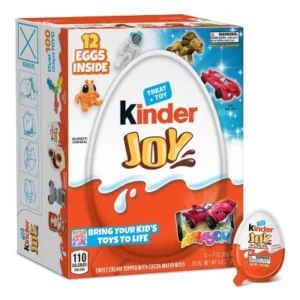
Drinks Department B.V. lists products from recognised confectionery brands, including Aero, Bounty, Cadbury, Ferrero Rocher, Haribo, Kinder Joy, Mars and Twix.
This selection gives retailers and distributors different product categories to consider.
International Wholesale Distribution
The company describes international distribution services and serves business customers across different markets.
International buyers can enquire about destination availability and shipping arrangements.
Bulk Purchasing Opportunities
Drinks Department B.V. offers wholesale purchasing options for businesses looking to source confectionery in commercial quantities.
Buyers should confirm current minimum orders, available stock and applicable prices before ordering.
Multiple Product Categories
Customers can explore chocolates, gummies, marshmallows, mints and other confectionery options through the company’s website.
Dedicated Customer Support
The company provides contact channels for product enquiries, quotations and purchasing discussions.
Convenient Online Product Discovery
Its website allows prospective customers to browse confectionery listings and review individual product pages before contacting the company.
Contact Drinks Department B.V.
Businesses interested in wholesale confectionery can visit the company website to explore available products and discuss their requirements.
Website: https://www.drinksdepartmentbv.com/
Email: info@drinksdepartmentbv.com
Contact page: https://www.drinksdepartmentbv.com/contact-us/
When requesting a quotation, include the product names, required quantities, preferred packaging and delivery destination.
17. Frequently Asked Questions About Confectionery
1. What is confectionery?
Confectionery refers to sweet food products such as chocolate, candies, gummies, marshmallows, caramels, toffees, mints and other sugar-based treats.
2. What are the main types of confectionery?
The two major categories are chocolate confectionery and sugar confectionery. Other common categories include gummies, hard candies, chewy sweets, marshmallows, mints, caramels and specialty chocolates.
3. What is the difference between sugar confectionery and chocolate confectionery?
Sugar confectionery mainly includes sugar-based sweets such as hard candies, gummies and caramels. Chocolate confectionery contains cocoa ingredients and includes chocolate bars, pralines, truffles and filled chocolates.
4. What are the most popular types of candy?
Popular types include gummy bears, fruit gummies, chocolate bars, hard-boiled sweets, caramel candies, mints and marshmallows.
5. What are examples of chocolate confectionery?
Examples include Aero, Bounty, Cadbury, Ferrero Rocher, Mars, Milka, Snickers and Twix products.
6. What are gummies made from?
Gummies are generally made using sugar, glucose syrup, flavourings, colours and gelling ingredients such as gelatin or pectin.
7. Are marshmallows a type of confectionery?
Yes. Marshmallows are a type of soft sugar confectionery made using ingredients such as sugar, glucose syrup and whipping agents.
8. What is wholesale confectionery?
Wholesale confectionery refers to sweets, chocolates, gummies and other confectionery products purchased in commercial quantities for resale or business use.
9. Who are wholesale candy distributors?
Wholesale candy distributors purchase or source confectionery products and supply them to retailers, supermarkets, convenience stores, online shops and other commercial buyers.
10. Where can I find wholesale candy suppliers?
You can find suppliers through confectionery manufacturers, specialist wholesalers, international trading companies and online wholesale platforms. Drinks Department B.V. also lists confectionery products for commercial customers.
11. What is the best place to buy bulk candy?
The best supplier depends on your required products, location, order quantity, pricing and delivery arrangements. Compare product authenticity, shelf life, packaging and total landed cost before purchasing.
12. How can I find cheap wholesale candy suppliers?
Request quotations from multiple suppliers, compare identical product specifications and consider transportation costs, order quantities and expiry dates.
13. Can I buy chocolate in bulk for resale?
Yes. Retailers and distributors can purchase chocolate bars, multipacks and other chocolate confectionery in wholesale quantities, subject to supplier availability and order requirements.
14. How should confectionery products be stored?
Most confectionery products should be kept in clean, dry conditions and protected from direct sunlight and excessive heat. Chocolate requires particular attention to temperature because it can melt or develop quality defects.
15. What is the difference between candy and confectionery?
Candy usually refers to sweet products such as sugar-based sweets and chocolates in everyday usage, particularly in North America. Confectionery is a broader commercial and industry term that covers chocolates, sweets, gummies, mints and other sweet treats.
16. Is sugar-free confectionery available?
Yes. Sugar-free confectionery uses alternative sweeteners instead of conventional sugar. Examples include certain mints, hard candies and chewing gums.
17. What should I check before buying bulk confectionery?
Check product specifications, ingredients, allergens, expiry dates, packaging, authenticity, storage requirements, minimum order quantities and delivery costs.
18. Why is confectionery popular in supermarkets?
Confectionery offers variety, convenience and products for everyday treats, celebrations and gifting. Individual packs and multipacks are also suitable for different retail formats.
19. Can confectionery be exported internationally?
Yes. Many confectionery products are traded internationally. Exporters and importers must consider food labelling, ingredient declarations, allergen information, customs requirements and destination-country regulations.
20. How can I request a wholesale confectionery quotation from Drinks Department B.V.?
Visit the Drinks Department B.V. website and contact the company with your preferred products, quantities, packaging requirements and delivery destination. The team can provide information about current availability and purchasing arrangements.
18. Conclusion: Find the Right Wholesale Confectionery Supplier
Understanding the different types of confectionery is important for retailers, supermarkets, distributors, importers and businesses operating in the global sweets market.
From chocolate bars and pralines to gummies, hard candies, marshmallows, caramels and mints, confectionery offers a wide variety of products for different consumer preferences.
For businesses looking to expand their product range, wholesale confectionery purchasing provides an opportunity to source multiple product categories and serve different customer groups.
However, choosing the right wholesale candy suppliers requires careful consideration of product quality, authenticity, pricing, packaging, shelf life and delivery arrangements.
Whether you are searching for wholesale confectionery, wholesale candy distributors, the best place to buy bulk candy, cheap wholesale candy suppliers or bulk confectionery for retail distribution, comparing suppliers is an important step towards successful purchasing.
Drinks Department B.V. offers a selection of confectionery products, including chocolate bars, gummies, marshmallows and mints.
Explore its confectionery range and contact the company to discuss your wholesale requirements.
Choose the right confectionery products, expand your sweet inventory and explore wholesale purchasing opportunities with Drinks Department B.V.