Beer is one of the world’s most widely traded alcoholic beverages, creating significant opportunities for importers, wholesalers, distributors, supermarkets, liquor stores, restaurants, hotels, bars and international beverage traders. What License Do I Need To Import Beer Into the USA & Europe
But importing beer commercially is very different from buying a few cases for personal consumption. Beer is an excise-controlled alcoholic product, and businesses generally need to understand import permits, customs procedures, excise duties, labeling, food-safety requirements, alcohol licensing and local distribution rules before placing a shipment.
One of the most important questions for a new importer is: what license do I need to import beer?
The answer depends on the destination country and how the business intends to operate. The requirements in the United States are different from those in the European Union, France and the United Kingdom. A company that imports beer and then sells it wholesale may also need additional authorization beyond the authorization required simply to import it.
For example, in the United States, commercial beer importers generally need a federal TTB Basic Importer’s Permit, while businesses that also wholesale alcohol may need the appropriate wholesaler permit. TTB also notes that state and local requirements apply in addition to federal requirements.
In the United Kingdom, businesses that wholesale alcoholic products to other businesses for resale generally need approval under the Alcohol Wholesaler Registration Scheme, or AWRS. HMRC states that businesses starting alcohol wholesaling generally need to apply at least 45 days before trading and must wait for approval.
In the European Union, beer is subject to customs and excise rules, and the precise authorization depends on the country of importation, whether the goods are placed into free circulation or moved under duty suspension, and the structure of the supply chain. EU rules provide mechanisms for authorized warehouse keepers and registered consignors to move excise goods under duty suspension.
France has its own customs and excise administration, with beer subject to alcohol excise duties. French customs publishes the applicable beer taxation rules and annual rates.
This guide explains the major considerations for beer importers, including licenses, wholesale sourcing, bulk purchasing, cases, pallets and international beer suppliers.
What License Do I Need to Import Beer into the USA?
For businesses asking what license do I need to import beer into the USA, the key federal authority is the Alcohol and Tobacco Tax and Trade Bureau, commonly known as TTB.
Commercial importers of beer and other beverage alcohol products generally need a federal Basic Importer’s Permit before commencing the importing operation.
TTB states that businesses seeking to import beer, wine or distilled spirits into the United States must apply for the appropriate federal permit. The application is made using TTB’s permit process, including TTB Form 5100.24.
The process is more than simply obtaining a customs number.
A commercial beer importer should consider:
- TTB importer permit
- Alcohol Dealer Registration where applicable
- Certificate of Label Approval (COLA)
- FDA requirements where applicable
- Customs requirements
- Federal excise tax
- State alcohol requirements
- Local licensing
- Warehouse requirements
- Distribution permissions
TTB also explains that if a business wants to operate as both an importer and wholesaler, the appropriate permits must be obtained. An importer permit does not automatically authorize wholesale activity.
Do I Need a Beer Import License in the USA?
Yes, commercial beer importers generally need the appropriate federal TTB authorization.
The requirement is different from personal importation. TTB specifically distinguishes commercial importation from one-time personal importation. Commercial businesses must meet the federal regulatory framework applicable to beverage alcohol importers.
What Is a TTB Importer’s Basic Permit?
A TTB Basic Importer’s Permit authorizes a qualified business to engage in the regulated commercial importation of beverage alcohol.
TTB’s current guidance says businesses that intend to import beer, wine or distilled spirits must obtain the relevant permit before beginning operations.
Businesses can use TTB’s online permitting system to submit applications.
TTB also notes that applicants must meet applicable requirements concerning their business operation, and state and local rules may impose additional requirements.
Do I Need a Wholesale License as Well as an Import License in the USA?
Potentially, yes.
This distinction is extremely important for beer businesses.
If you import beer and sell that imported beer under your importer operation, the applicable importer authorization is central to the activity. But if you also intend to wholesale alcohol that you did not import, TTB states that you may need a separate Wholesaler’s Basic Permit.
TTB specifically says an importer permit does not automatically permit wholesale activity.
Therefore, a business should determine whether it is acting as:
- An importer
- A wholesaler
- Both an importer and wholesaler
- A retailer
- A combination of these activities
The licensing consequences can be different.
Beer Importing into the USA: COLA Requirements
Another important issue is labelling.
TTB explains that alcohol importers must obtain a TTB-issued Certificate of Label Approval, commonly called a COLA, for each unique product or label where applicable under the federal alcohol regulations.
This means that a company should not simply purchase beer overseas and assume that the existing foreign label automatically satisfies US requirements.
Before importing commercial beer, buyers should review:
- Brand name
- Product designation
- Alcohol information
- Net contents
- Country-of-origin information
- Importer information
- Government warnings
- Other mandatory label elements
The exact requirements depend on the product and circumstances, so professional importers should verify the applicable requirements before shipment.
USA Beer Import Taxes and Customs
Beer imported into the United States may be subject to federal excise taxes, customs duties and other applicable charges.
TTB explains that importers are responsible for applicable federal excise taxes and duties, with CBP collecting applicable federal excise taxes and customs duties.
Therefore, the supplier’s wholesale price is not necessarily the final cost.
A buyer should calculate:
Product price + freight + insurance + customs duty + federal excise tax + brokerage + port charges + state/local costs + warehousing + domestic transportation = estimated landed cost.
This calculation is essential when comparing international suppliers.
What License Do I Need to Import Beer into Europe?
The European Union does not operate as one single beer-import licensing system for every commercial situation.
The precise requirements depend on:
- The EU country of import
- Whether the beer originates inside or outside the EU
- Whether the beer is released for consumption
- Whether it is held under duty suspension
- Whether the importer operates a tax warehouse
- Whether an authorized consignee or consignor is involved
- The final destination
- The business’s wholesale or retail activity
EU excise rules provide mechanisms for moving excise products under duty suspension through authorized warehouse keepers and registered consignors. Such movements can involve tax warehouses, registered consignees and places of export.
Consequently, an importer should not assume that a single “European beer import license” covers every country and business model.
Instead, determine the exact EU country where the beer will enter and where the excise obligation will arise.
Importing Beer from Outside the EU
If beer is imported from a non-EU country, customs and excise considerations become particularly important.
The importer may need to address:
- Customs registration
- Import declarations
- Commodity classification
- Customs duties
- Import VAT
- Excise duty
- Alcohol documentation
- Product labeling
- Food-related requirements
- Excise movement arrangements
- Tax warehouse arrangements where applicable
For shipments entering the EU under duty suspension, authorized structures can be used to move excise goods before the duty is ultimately accounted for.
The European Commission explains that an authorized warehousekeeper or registered consignor can move excise products under duty suspension from a tax warehouse or place of importation to another tax warehouse, registered consignee or place of export.
What License Do I Need to Import Beer into France?
France is an important European beer market, but businesses importing beer must comply with French customs and excise rules as well as applicable EU requirements.
French customs administers alcohol excise taxation and publishes the applicable rates for beer.
For 2026, French customs lists beer excise rates according to alcohol strength and applicable category. Its published information distinguishes beer below 2.8% ABV from beer above 2.8% and also provides a reduced rate for qualifying small independent breweries.
For commercial importers, the important point is that beer entering France can create customs, VAT and excise obligations.
Is a French Beer Import License Required?
The exact authorization depends on the structure of the business and the movement of the beer.
An importer should establish:
- Where the beer originates
- Whether it is already duty paid
- Whether it enters a tax warehouse
- Who is responsible for excise
- Whether the business distributes wholesale
- Where the beer will be stored
- Whether the product is being released for consumption in France
Because alcohol taxation and excise procedures can be complex, importers should confirm their exact business model with French customs or an appropriately qualified customs/excise professional.
What License Do I Need to Import Beer into the United Kingdom?
The United Kingdom has its own alcohol import and wholesale system following its departure from the European Union.
For businesses importing beer commercially into Great Britain, import procedures, customs, excise and alcohol-duty rules apply.
If the business also sells alcohol wholesale to other businesses for onward sale, AWRS is particularly important.
HMRC states that businesses selling or arranging the sale of alcoholic products to another business for resale may need approval under the Alcohol Wholesaler Registration Scheme.
What Is AWRS?
AWRS stands for Alcohol Wholesaler Registration Scheme.
It was introduced to help prevent alcohol fraud and ensure legitimate wholesale trade.
HMRC states that businesses selling alcohol to other businesses for onward sale generally need to apply for AWRS approval when the relevant conditions apply. Businesses must be approved before beginning applicable wholesale trading.
This is especially important for a company importing beer and then selling cases or pallets to UK retailers, bars, restaurants or other distributors.
How Long Does AWRS Approval Take?
HMRC guidance states that businesses starting alcohol wholesaling must generally give at least 45 days’ notice when applying for AWRS approval and must wait for approval before beginning applicable wholesale activity.
This means a new UK beer wholesaler should plan the licensing process before ordering commercial inventory.
Do UK Beer Buyers Need to Verify Their Wholesaler?
Yes, businesses buying alcohol for resale should pay close attention to supplier approval.
HMRC provides a service for checking whether an alcohol wholesaler is approved. Businesses buying alcohol for resale are expected to check the wholesaler’s status, and HMRC warns of serious consequences for buying from an unapproved wholesaler.
For professional buyers, this is an important supplier due-diligence step.
Before buying wholesale beer in the UK, verify the supplier’s appropriate registration and retain relevant purchasing records.
Where Can I Buy Beer in Bulk for Wholesale?
Businesses can buy beer in bulk from:
- Beverage wholesalers
- International beer distributors
- Licensed alcohol importers
- Brewery distributors
- Cash-and-carry businesses
- Regional beverage suppliers
- International trading companies
The right supplier depends on the buyer’s country, required brands, quantity and delivery destination.
A small retailer may need several cases, while a regional distributor may need pallet or container-scale quantities.
For international buyers, Drinks Department B.V. provides access to wholesale beer sourcing.
Explore the company’s wholesale beer and lager supplier page for commercial sourcing.
Best Beer Wholesale Suppliers in the USA, Europe, France and UK
When selecting a wholesale beer supplier, do not compare only the price per case.
A reliable supplier should ideally be evaluated on:
- Product availability
- Brand authenticity
- Wholesale pricing
- Minimum order quantity
- Case configuration
- Pallet configuration
- Country of origin
- Packaging
- Product condition
- Shelf-life information where applicable
- Export documentation
- Delivery capability
- Licensing and regulatory compliance
- Communication
- Payment terms
For international buyers, supplier reliability can be just as important as price.
A low-priced beer that arrives late or is unavailable when customers need it can create more commercial problems than a slightly higher-priced product from a reliable supplier.
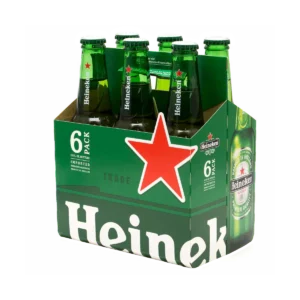
Wholesale Heineken Beer
Heineken is one of the world’s most recognizable international beer brands and can be an important product for wholesalers and distributors.
Its international recognition makes it relevant to:
- Supermarkets
- Liquor stores
- Restaurants
- Hotels
- Bars
- Clubs
- Beverage distributors
- International traders
Buyers interested in commercial sourcing can visit the Heineken wholesale beer supplier page.
When purchasing Heineken in bulk, buyers should confirm the exact bottle or can size, case quantity, origin, packaging and pallet configuration.
Wholesale Corona Beer
Corona is another internationally recognized beer brand with strong consumer awareness in many markets.
It can be attractive to distributors supplying customers interested in internationally recognized lager brands.
Explore Corona wholesale beer supplier and distributor.
Before placing an order, confirm the exact product format because Corona products can vary by market and package size.
Wholesale Desperados Beer
Desperados occupies a distinctive position within the beer market, particularly among consumers interested in flavored or lifestyle-oriented beer products.
This can make it useful as a complementary product alongside mainstream lager.
Professional buyers can explore Desperados wholesale beer supplier.
Wholesale Guinness Beer
Guinness is one of the world’s most recognizable stout brands and can provide variety for wholesalers that want to offer more than mainstream lager.
A beer distributor may use Guinness to diversify its product portfolio across different beer styles.
Explore Guinness wholesale beer supplier and distributor.
Wholesale Beck’s Beer
Beck’s is an established German beer brand with international recognition.
It can be considered by wholesalers looking for a recognizable European beer brand.
See Beck’s wholesale beer supplier.
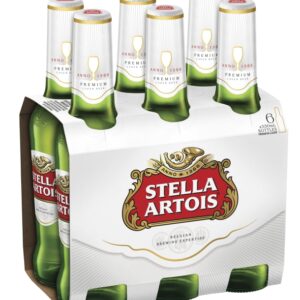
Wholesale Stella Artois Beer
Stella Artois is a globally recognized Belgian lager brand and can be useful for distributors supplying supermarkets, bars, restaurants and hospitality businesses.
Explore Stella Artois wholesale beer supplier and distributor.
How Many Beer Cans Are in a Case?
There is no universal number of beer cans in a case.
The case quantity depends on:
- Brand
- Can size
- Country
- Brewery
- Packaging format
- Retail market
- Supplier
Common commercial configurations can include:
- 12 cans per case
- 18 cans per case
- 24 cans per case
- 30 cans per case
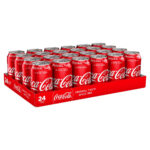
The 24-can case is particularly common in wholesale beer distribution, but buyers should never assume every product is packed 24 cans per case.
For example, a 24 × 330 ml case contains 7.92 litres of beer.
A 24 × 500 ml case contains 12 litres.
A 24 × 440 ml case contains 10.56 litres.
The exact packaging must therefore be confirmed for every product.
How Many Beer Bottles Are in a Case?
Beer bottles can also be packed in different configurations.
Common formats include:
- 12 bottles
- 20 bottles
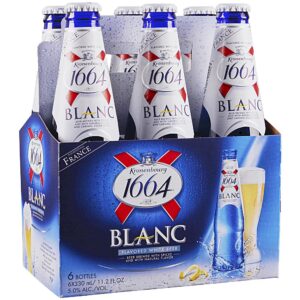
- 24 bottles
The exact configuration depends on the brand and market.
Some premium or specialty beers may use different case quantities.
For importers, the case configuration matters because it affects:
- Warehouse space
- Pallet capacity
- Freight cost
- Product weight
- Handling
- Retail pricing
How Many Beer Cans Are on a Pallet?
There is no universal number of beer cans on a pallet.
Pallet capacity depends on:
- Can size
- Case quantity
- Case dimensions
- Pallet dimensions
- Maximum stacking height
- Product weight
- Transport restrictions
- Country-specific pallet standards
For example, if a pallet contains 100 cases and each case contains 24 cans, the pallet contains:
100 × 24 = 2,400 cans.
If the pallet contains 80 cases:
80 × 24 = 1,920 cans.
If it contains 120 cases:
120 × 24 = 2,880 cans.
These are mathematical examples rather than universal pallet specifications.
A professional buyer should request the supplier’s exact pallet configuration.
How Many Cases of Beer Are on a Pallet?
Again, pallet capacity varies by product.
A supplier may provide:
- Cases per layer
- Number of layers
- Total cases per pallet
- Total cans per pallet
- Gross pallet weight
- Net beer weight
- Pallet dimensions
For example:
10 cases per layer × 10 layers = 100 cases per pallet.
If each case contains 24 cans:
100 cases × 24 cans = 2,400 cans per pallet.
However, another product could have 80, 90, 96 or 120 cases per pallet.
Never use a generic pallet figure when calculating freight or warehouse requirements.
How to Calculate Beer Pallet Weight
Beer is heavy because the shipment includes both the beverage and packaging.
Suppose a pallet contains 100 cases, with 24 cans of 500 ml per case.
The beer volume is:
100 × 24 × 0.5 litres = 1,200 litres.
Because beer has a density close to water, the beverage alone can weigh approximately 1.2 tonnes, before adding cans, cartons, pallets and other packaging.
This demonstrates why pallet weight must be confirmed before arranging transportation.
A 24 × 330 ml case contains:
24 × 0.33 = 7.92 litres.
A 24 × 500 ml case contains:
24 × 0.50 = 12 litres.
A 24 × 440 ml case contains:
24 × 0.44 = 10.56 litres.
For accurate logistics, use the supplier’s official gross weight.
How Many Beer Cans Fit in a 20-Foot Container?
Container capacity varies significantly depending on:
- Case configuration
- Palletization
- Can size
- Pallet dimensions
- Maximum payload
- Shipping route
- Loading method
- Carrier requirements
Therefore, there is no single reliable number of beer cans for every 20-foot container.
For planning purposes, buyers should first establish the exact number of cases per pallet and then determine how many pallets can be loaded within the container’s weight and volume limits.
For example:
Cases per pallet × pallets per container × cans per case = total cans.
The supplier or freight forwarder should confirm the final loading plan.
How to Choose the Right Beer for Wholesale
Choosing the right beer requires market research.
A wholesaler should consider:
Brand recognition
Internationally recognized brands can be easier to sell.
Price point
The beer must fit the customer’s expected retail price.
Product format
Cans, bottles and different sizes may perform differently.
Country of origin
Origin can influence consumer perception and import requirements.
Consumer preference
Some markets strongly favor lager, while others have substantial demand for stout, craft beer or flavored beer.
Shelf life
Beer should be purchased with sufficient remaining shelf life for the intended sales cycle.
Packaging
Strong packaging reduces the risk of damage during transportation.
Should I Import Beer in Cans or Bottles?
Both formats have advantages.
Canned beer
Cans are generally lightweight compared with glass bottles and can be convenient for transportation, storage and outdoor consumption.
Bottled beer
Bottles can have strong consumer appeal, particularly for premium products and hospitality businesses.
The best format depends on the target market.
Importers should compare:
- Product demand
- Packaging cost
- Freight weight
- Breakage risk
- Retail preference
- Pallet efficiency
How to Buy Beer in Bulk for Wholesale
A professional wholesale purchasing process should start with a detailed product request.
Provide the supplier with:
- Brand
- Product name
- Can or bottle size
- Desired quantity
- Delivery country
- Delivery city or port
- Preferred packaging
- Required delivery date
For larger orders, also request:
- Cases per pallet
- Cans per case
- Pallets per container
- Gross weight
- Net weight
- Production date where relevant
- Best-before information where relevant
- Product origin
- Commercial documents
This helps the supplier produce a more accurate quotation.
Beer Wholesale Price: What Determines the Cost?
Beer wholesale prices vary depending on many factors.
These can include:
- Brand
- Country of origin
- Bottle/can size
- Packaging
- Order quantity
- Supplier inventory
- Currency
- Freight cost
- Taxes
- Excise duty
- Customs duty
- Destination
- Seasonality
Therefore, a wholesale beer price should be evaluated based on the total landed cost.
A cheap ex-warehouse product may become expensive after international freight and taxes.
A slightly more expensive supplier closer to the final market may sometimes provide a better overall commercial result.
How to Find Reliable Beer Wholesale Suppliers
A reliable supplier should provide clear and consistent information.
Before ordering, ask:
Is the product genuine?
Where was it produced?
What is the exact package size?
How many units are in each case?
How many cases are on each pallet?
What is the pallet weight?
What is the available quantity?
What is the production or best-before information where relevant?
What shipping terms are offered?
What documents accompany the shipment?
Can the supplier export to my country?
These questions can help prevent costly misunderstandings.
Why Work with an International Beer Supplier?
An experienced international supplier can be valuable for businesses that want to source several brands.
Instead of establishing separate relationships with multiple companies, a buyer may be able to source several products through one commercial supplier.
Drinks Department B.V. provides an international wholesale beverage sourcing platform for professional buyers.
Start with the company’s main website and explore its dedicated beer product pages.
The wholesale beer category can be found at wholesale beer and lager supplier.
For specific brands:
Beer Import Checklist for New Importers
Before confirming your first commercial shipment, work through this checklist.
Step 1: Choose the market
Decide whether you are importing into the USA, an EU country, France, the UK or another market.
Step 2: Identify the licensing authority
Determine which federal, national, state or regional alcohol authorities regulate your business.
Step 3: Establish the business structure
Determine whether you are importing, wholesaling, distributing, retailing or performing multiple activities.
Step 4: Confirm the product
Verify brand, beer type, alcohol percentage, package size and country of origin.
Step 5: Check labeling
Make sure the label meets the destination market’s requirements.
Step 6: Calculate landed cost
Include product price, freight, insurance, customs, excise, taxes and local expenses.
Step 7: Confirm packaging
Get exact case and pallet details.
Step 8: Confirm logistics
Determine port, delivery address, container requirements and transportation arrangements.
Step 9: Verify documentation
Request the commercial and regulatory documentation needed for importation.
Step 10: Start with realistic inventory
Do not order more beer than your distribution network can reasonably sell.
Frequently Asked Questions About Beer Importing and Wholesale
What license do I need to import beer into the USA?
Commercial beer importers generally need a TTB Basic Importer’s Permit. TTB also requires applicable registrations and documentation, and state and local alcohol requirements can apply.
Do I need a wholesale license in the USA?
If your business also engages in wholesale activity, you may need a TTB Wholesaler’s Basic Permit. An importer permit does not automatically authorize all wholesale activities.
Do imported beers need a US label approval?
For applicable imported beer products, TTB requires a Certificate of Label Approval for each unique product or label.
What license do I need to import beer into Europe?
There is no single universal EU beer-import license that covers every business model. Requirements depend on the EU member state, import structure, customs status and excise arrangements.
What license do I need to import beer into France?
French beer importers must comply with applicable customs, excise, tax and alcohol rules. Commercial arrangements can differ depending on whether beer is imported under duty suspension or released for consumption.
What license do I need to import beer into the UK?
UK beer importers must comply with UK customs and alcohol-duty requirements. If the business wholesales alcohol to other businesses for resale, AWRS approval may be required.
What is AWRS?
AWRS is the UK’s Alcohol Wholesaler Registration Scheme. Businesses that meet the applicable conditions for alcohol wholesaling generally need HMRC approval before trading.
How long does UK AWRS registration take?
HMRC states that new alcohol wholesalers generally need to apply at least 45 days before they intend to begin trading and must wait for approval.
Where can I buy beer in bulk?
Professional buyers can source beer from licensed wholesalers, distributors, breweries, importers and international beverage suppliers.
How many beer cans are in a case?
There is no universal case size. Common commercial configurations include 12, 18, 24 or 30 cans, but the exact quantity must be confirmed for the specific product.
How many beer cans are on a pallet?
The number varies according to case configuration and palletization. For example, 100 cases containing 24 cans each would equal 2,400 cans.
How many cases are on a beer pallet?
There is no standard number. Pallet capacity depends on case dimensions, can size, stacking height, pallet type and maximum payload.
How many cans are in a 24-can case?
A 24-can case contains exactly 24 cans. The total beer volume depends on the can size.
For example:
- 24 × 330 ml = 7.92 litres
- 24 × 440 ml = 10.56 litres
- 24 × 500 ml = 12 litres
How do I calculate beer pallet volume?
Multiply the number of cases by the number of cans per case and the volume of each can.
Cases × cans per case × can volume = total beer volume.
Is beer cheaper when bought by the pallet?
It can be, but not necessarily. Bulk purchasing may improve unit economics, but buyers must consider freight, excise, taxes, customs, storage and inventory risk.
What should I ask a beer wholesaler?
Ask about brand, origin, package size, cases per pallet, cans per case, product availability, best-before information, wholesale price, shipping terms, documentation and licensing.
Can I import Heineken in bulk?
Commercial importation depends on the destination market, licensing, supplier availability, distribution rights and applicable regulations. Buyers should confirm the precise product and destination before ordering.
Can I import Corona in bulk?
Yes, commercial sourcing may be possible through appropriate licensed suppliers, subject to destination-market requirements, product availability and applicable distribution arrangements.
Can I buy Guinness wholesale?
Professional buyers can investigate wholesale Guinness through licensed beverage suppliers and distributors. Product availability and package configurations should be confirmed before ordering.
Can I buy Stella Artois wholesale?
Yes, professional buyers can source Stella Artois through suitable wholesale beverage suppliers, subject to local licensing and market requirements.
Can I buy Desperados wholesale?
Desperados can be sourced commercially through appropriate beverage wholesalers and international suppliers where the product is available.
Can I buy Beck’s wholesale?
Beck’s can be included in an international beer portfolio where the supplier has availability and the destination market permits commercial importation and distribution.
Final Thoughts: What License Do I Need to Import Beer?
The answer to what license do I need to import beer depends primarily on where you are importing the product and what your business intends to do with it.
In the United States, commercial beer importers generally need a TTB Basic Importer’s Permit, while additional wholesale activity can require a Wholesaler’s Basic Permit. TTB also requires applicable registrations, label approvals and compliance with state and local requirements.
In the European Union, beer is subject to customs and excise rules, with different national procedures and authorization structures depending on the member state and the way the beer is imported, stored and released for consumption. EU rules provide duty-suspension mechanisms involving authorized warehousekeepers and registered consignors.
In France, beer is subject to French alcohol excise rules administered by customs, with rates determined according to the applicable beer category and alcohol strength.
In the United Kingdom, businesses that wholesale alcohol to other businesses for resale generally need to consider AWRS approval, while commercial imports are also subject to UK customs and excise procedures.
Once licensing and compliance are understood, the next step is choosing the right supplier and product.
For professional importers and distributors, bulk purchasing can provide opportunities to improve unit economics, but buyers should always verify the exact cans per case, cases per pallet, cans per pallet, pallet weight, product origin, packaging and total landed cost before confirming an order.
Drinks Department B.V. provides a range of wholesale beer sourcing options for professional buyers. Visit the Drinks Department B.V. website and explore its wholesale beer and lager range.
For specific products, buyers can also investigate Heineken wholesale beer, Corona wholesale beer, Desperados wholesale beer, Guinness wholesale beer, Beck’s wholesale beer and Stella Artois wholesale beer.
The most successful beer importers combine regulatory compliance with careful product selection, accurate logistics planning, competitive sourcing and reliable wholesale distribution. By understanding your licensing requirements before ordering, calculating the true landed cost and confirming the exact case and pallet configuration, you can build a much stronger foundation for a profitable beer import and wholesale business.